Day 1
Day 1: Understand & Explore
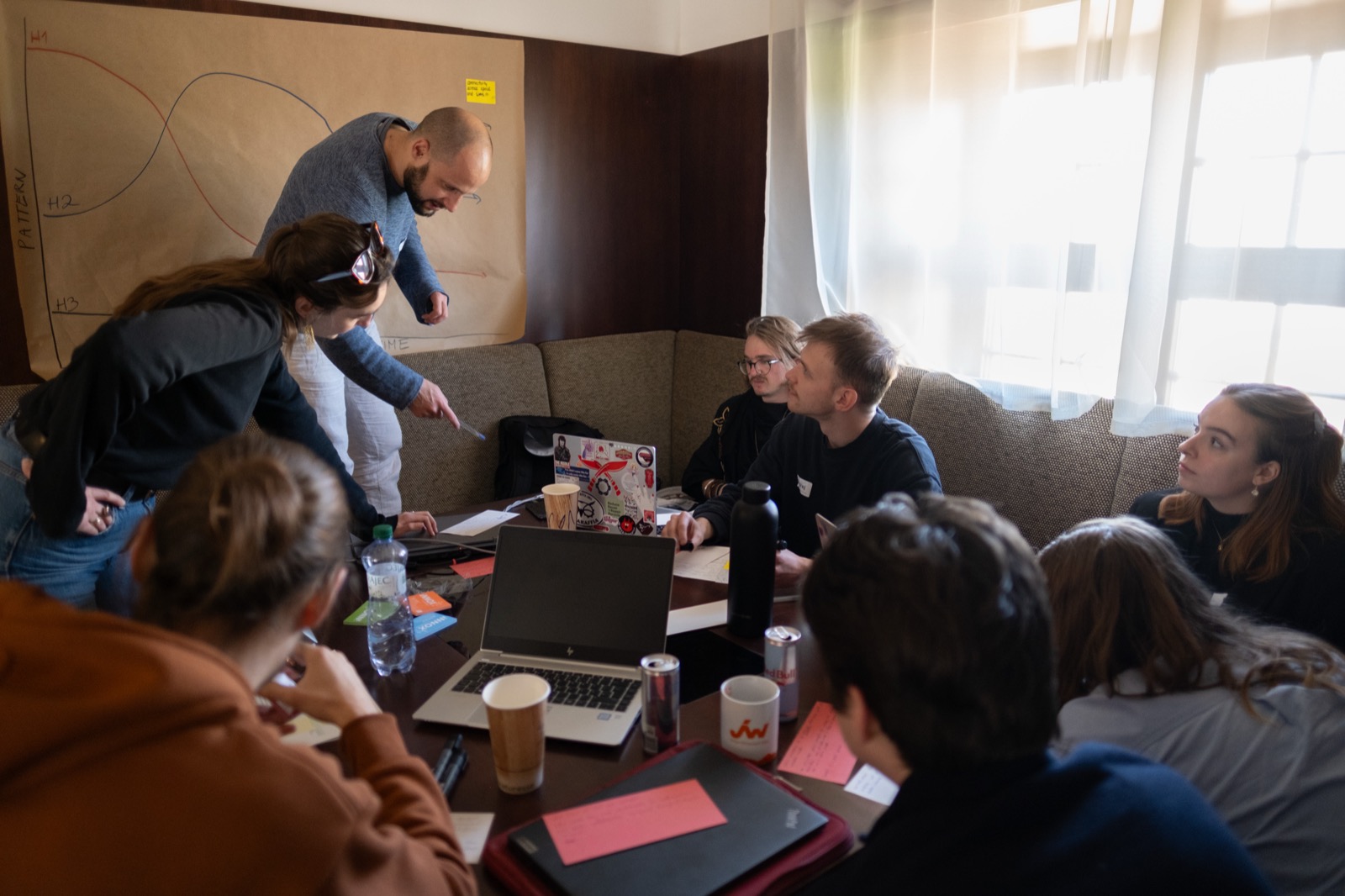
Teams meet their challenge and start mapping it from every angle, guided by rapid learning sessions and a framework for thinking beyond the obvious fix.
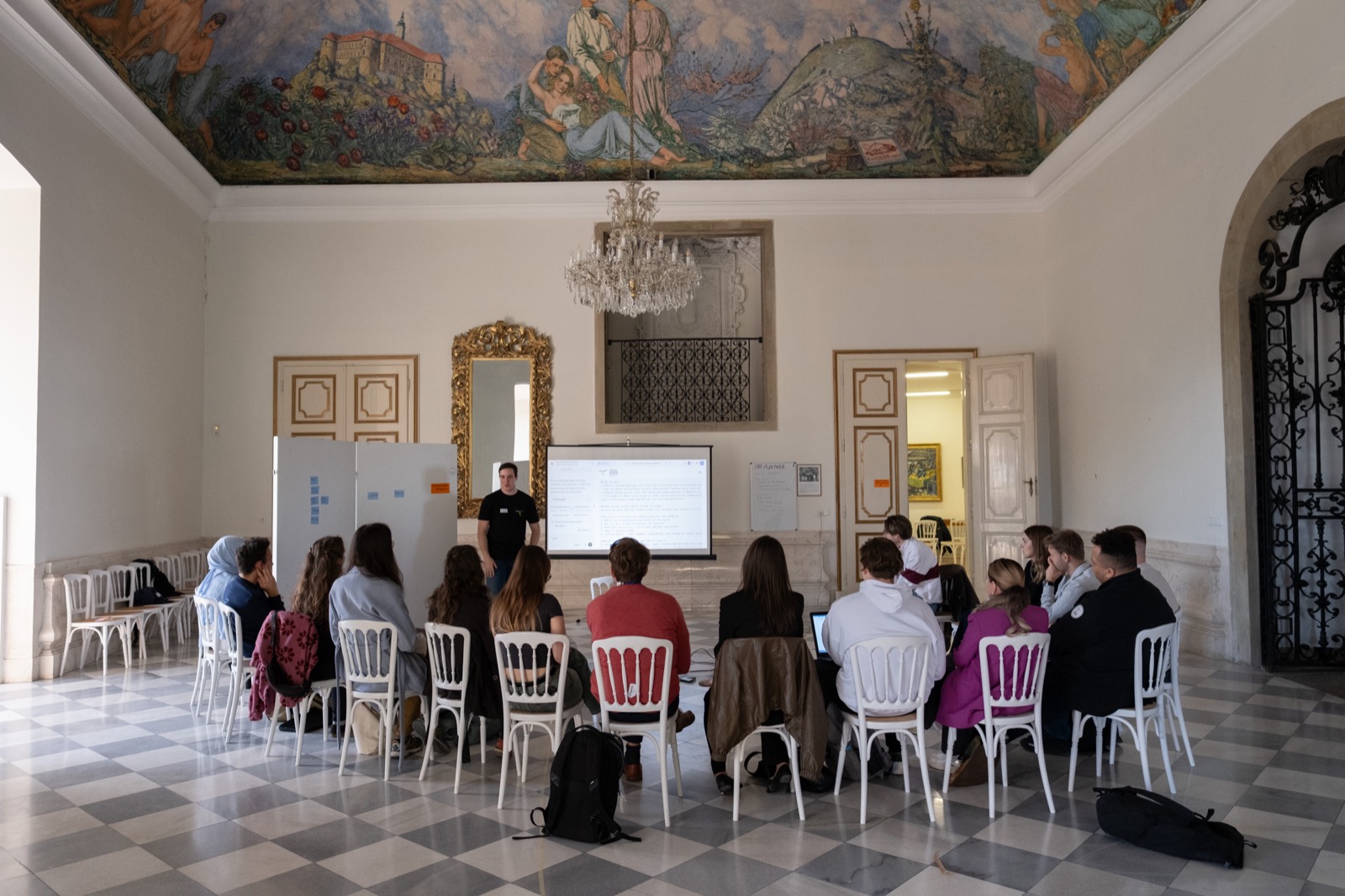
For three days, mixed teams from across the region work on a real challenge brought by a real partner. No tech background needed — this is a social hackathon, built for changemakers, not just coders. Talking is easy. Impact is harder. Real connections happen when people build something together, not when they just talk about it.
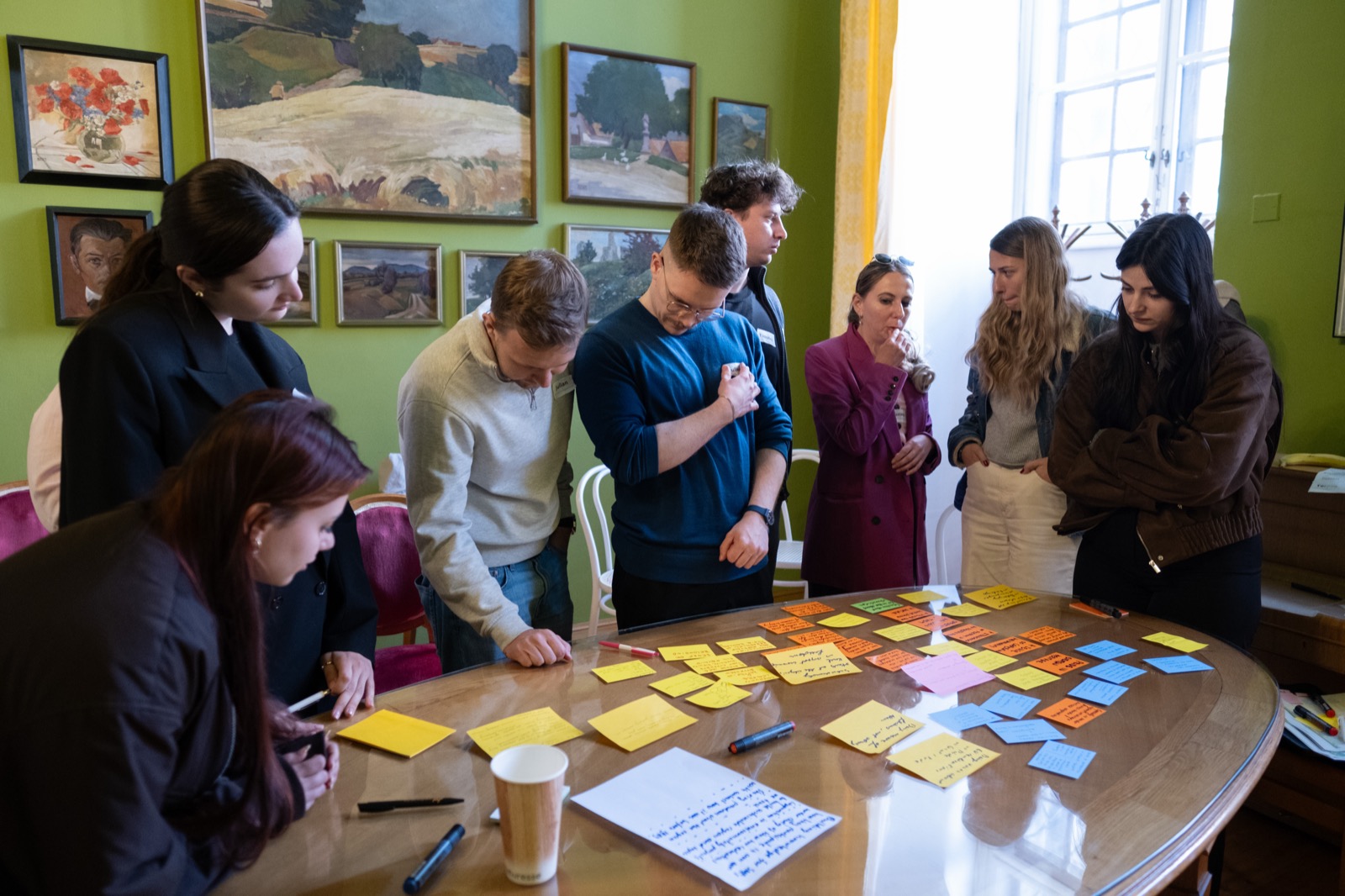
We partner with companies, municipalities, and organizations who bring real, live challenges to the table: problems worth solving, not hypotheticals invented for a workshop.

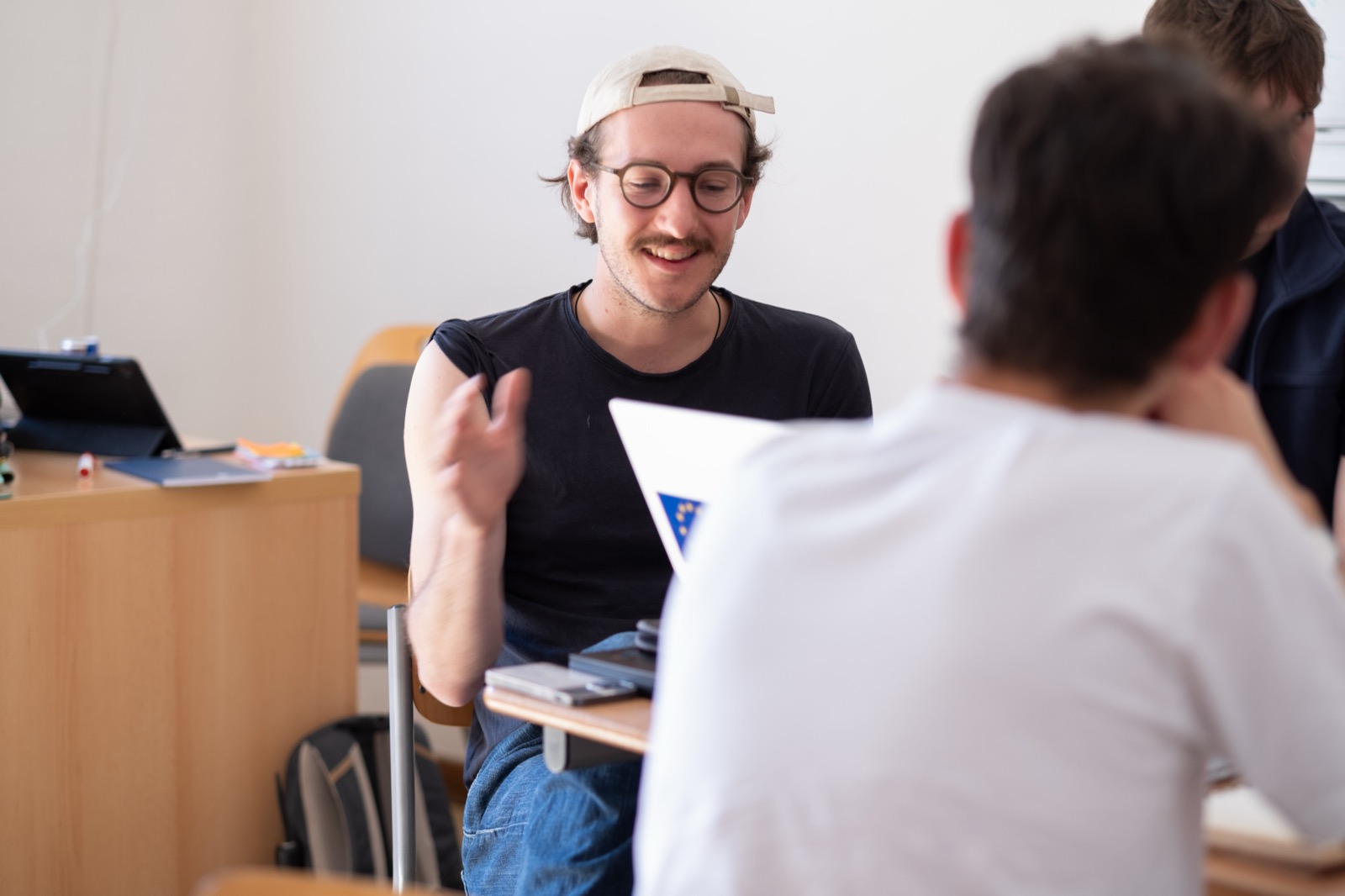
Teams meet their challenge and start mapping it from every angle, guided by rapid learning sessions and a framework for thinking beyond the obvious fix.
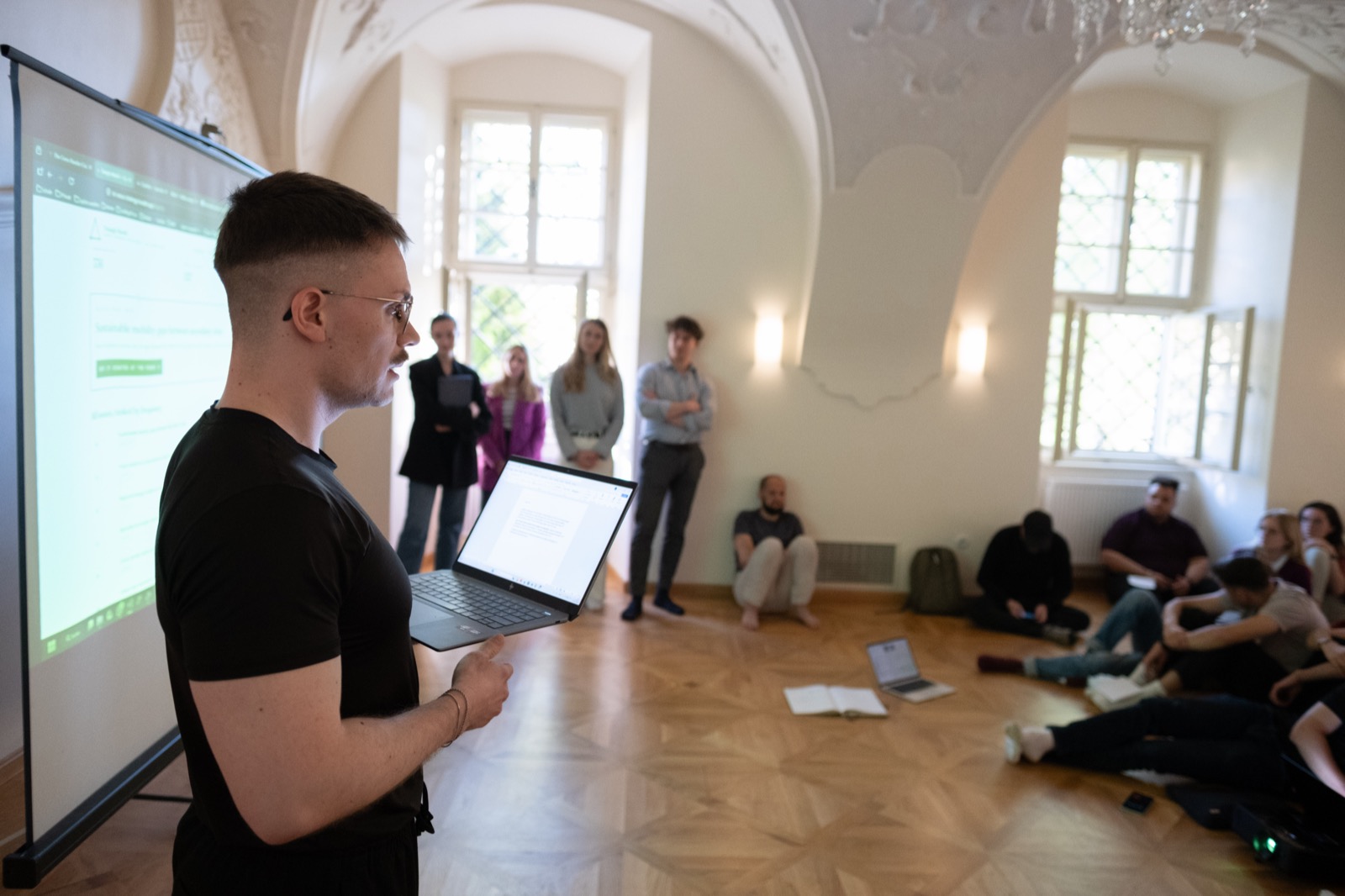
Teams generate ideas, choose a direction, and build working prototypes using AI-assisted tools.
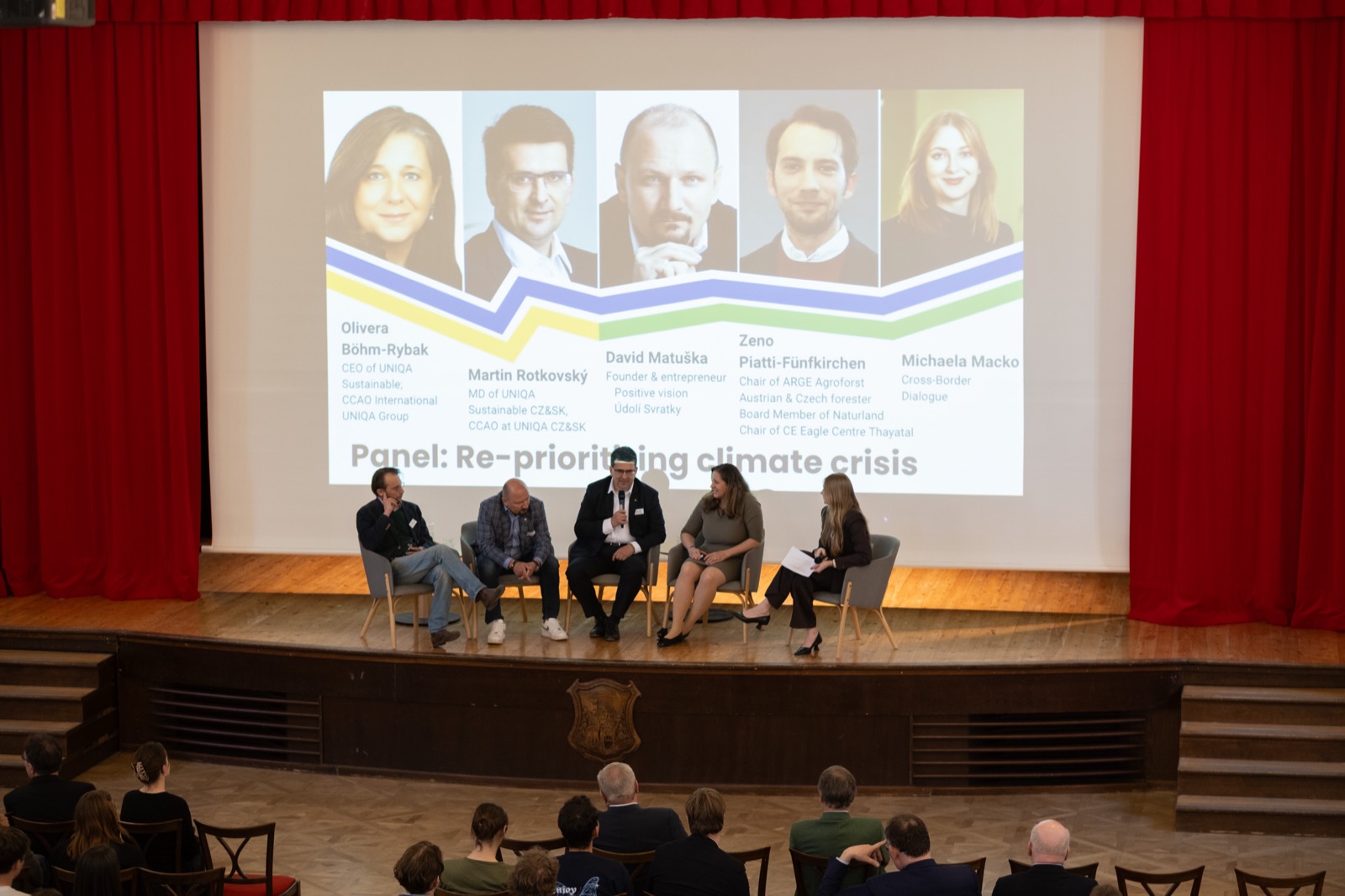
Teams finalize their prototype and pitch it to policymakers, CEOs, and the public at the closing showcase.
From understanding the problem to testing a real solution.
No single expert has all the answers; diverse perspectives tackle what's too messy for top-down solutions.
Quick prototypes and real feedback replace lengthy planning cycles.
Proximity to the challenge is a resource, not a bias.
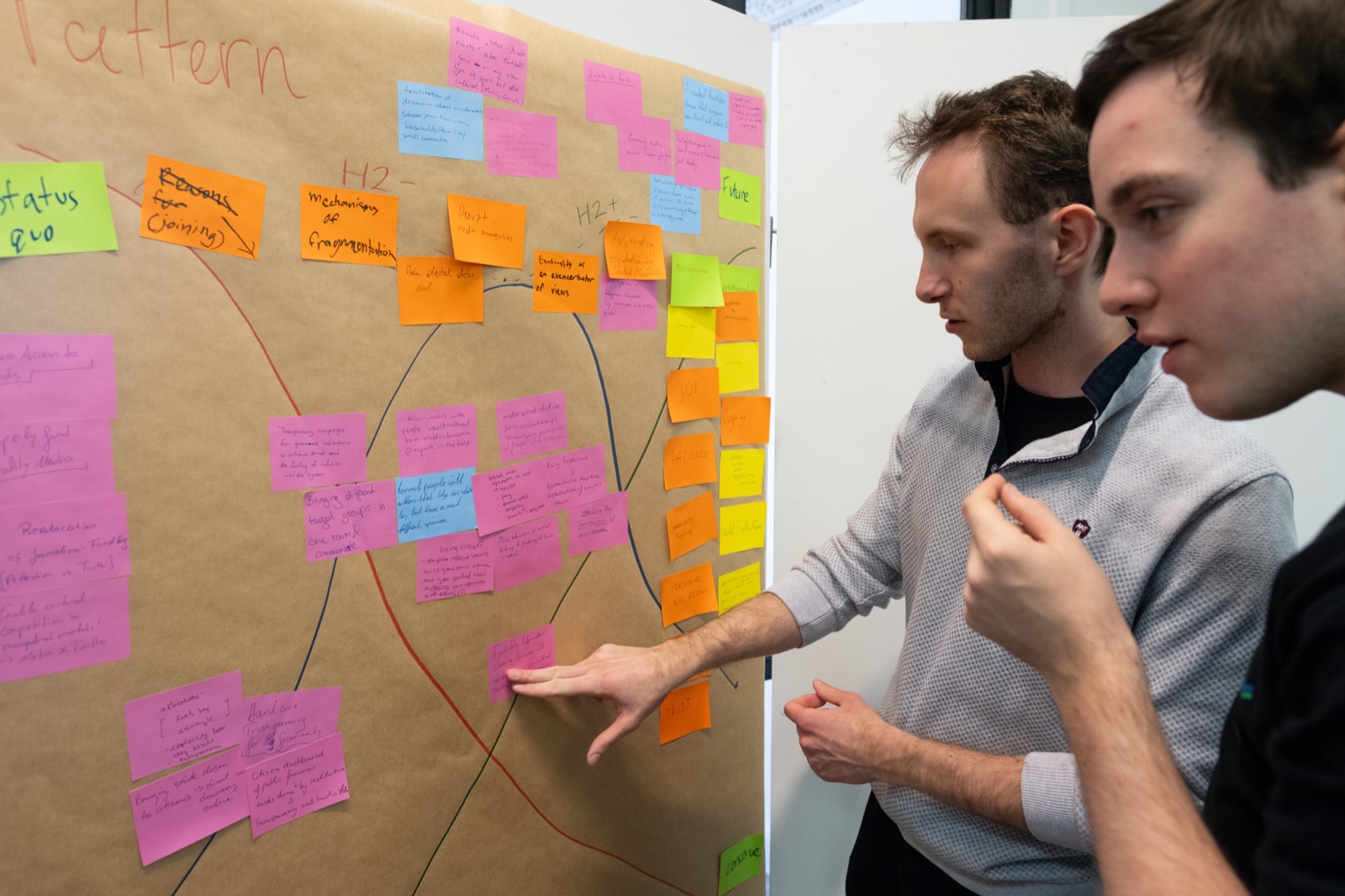
Teams don't just solve for today. They're pushed to think in three horizons at once: what's losing relevance, what's emerging now, and what the long-term future actually needs. It's one of the frameworks we use to help teams think past the three-day sprint, and it's also how we explore what happens next: which prototypes are strong enough to keep going after the hackathon ends.
A few examples of what teams have pitched to continue beyond CBD.
A simple climate resilience platform helping SMEs understand their climate risks and get practical next steps.
View challengeAn immersive virtual train journey encouraging Austrian travelers to explore Czechia beyond Prague.
View challengeA one-week school program teaching 10-15-year-olds how renewable energy works in their own region.
View challengeMixed nationalities and backgrounds surface blind spots a single-country team would miss, which is also, not incidentally, how European identity actually gets built.